‘Implendas’ means perfection
How important is it for interviewers to observe themselves and their behavior? How can they develop their competences through reflection and style modification? Should interviewers also learn from experiences in role reversal?
‘She looked like a nun. Or Mao Tse-tung’s Red Guard. From the nun she had the deceptive impeccability, from the Red Guard the contemptuous hostility, from both the desire to disfigure herself, although she was not ugly. She had a graceful face: green eyes, high cheekbones, nicely shaped lips. She was petite, and her body, as I guessed, was young, without flaws. She was disfigured by wisps of black, greasy hair, a work uniform of gray-green linen, similar to pajamas, three times too big. This deliberately sloppy outfit was conspicuous and gave an unpleasant impression… Najat, a beautiful brunette whose husband was a wealthy engineer, was the most elegant woman in town. Always well-combed, fragrant, in a women’s suit or a miniskirt that emphasized her shapely figure… Her clothes were so chic that next to her a nun in uniform aroused even greater fear. Maybe because I knew who she was. On February 21, 1969, she detonated two bombs in a supermarket in Jerusalem, causing a massacre. She was the one who designed the third bomb, intended for a cafe at the Hebrew University. She also mobilized the entire Israeli police for three months, leading to a wave of arrests, repression, tragedy. The Popular Front assigned her the bloodiest operations.” Oriana Fallaci, “Roots of Hatred,” Cyklady Publishing House 2016.
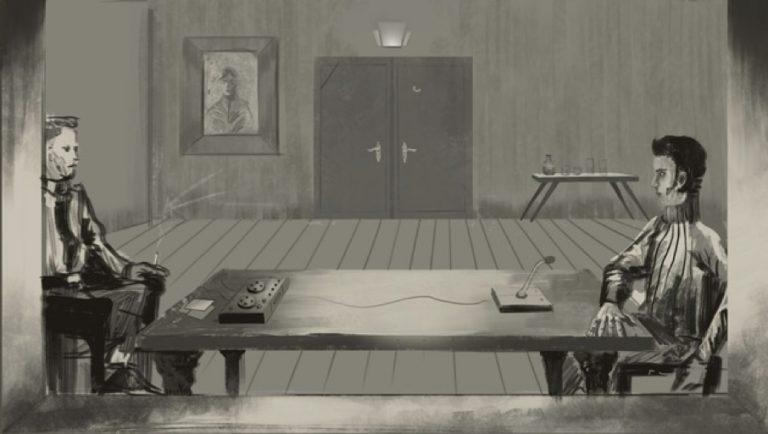
Interviews are cool. Observation, paying attention to the details of body structure, behavior and reactions, connecting this information with answers, interpretation and drawing conclusions. Is it possible to achieve mastery? You can get close to it – that’s for sure, because Implendas means perfection.
In this approach, experience seems to be significant. I have observed interviewers many times and the differences that were visible in style, the chosen strategy or the tactics used. They resulted from many factors; character, personality, communication style, but the key ones were those related to the number of interviews conducted and drawing conclusions based on them. And as we know, those who do not have experience, should read textbooks. And preferably both, and blogs. Reflection on what we experience before, during and after the interview is just as important as the experience itself. Reflection is the assessment of our own reactions on many levels; behaviors, emotions, interpretation of answers, assessment. Observing ourselves should give us answers to such questions as: what and why evokes in me, for example, sympathy or a negative attitude, how do I connect the information obtained with non-verbal behaviors? What influences my first assessments: is it the fact that I read a CV or a report from an earlier interview, does the person on the other side seem attractive, or maybe that I perceive the signals they send as signs of arrogance? What are the critical moments during an interview, what causes them and how can they be used constructively? These types of aspects, their interconnections, are key to developing the competences of interviewers. After many training sessions, I am aware of how difficult it is to break out of the pattern of observing and assessing the interviewee and combine it with an assessment of your own behavior.
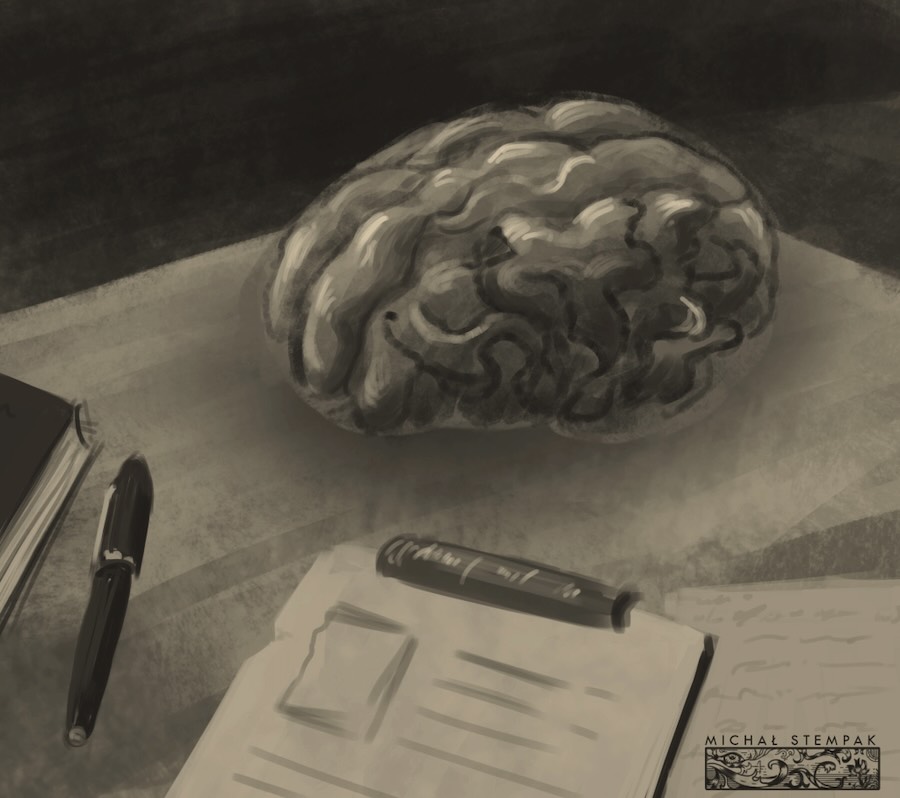
Exercise: Once you have brought someone in for an interview, go out for a moment and answer the questions: How old are they? How are they dressed? Did they start talking first or did you? How did they communicate on the way to the interview room? What were your first impressions? Does what you think now match the impressions you had after reading the materials about them?
At the next stage, you can work on other types of reflections: What behaviors of mine resulted in the reactions I observed? What word caused a sudden change in the way I reacted? What techniques helped me open up and change my communication style? An unreflective approach, even after hundreds of interviews, will result in repeating the same mistakes, confirming the belief that this is the only effective way in such conditions, circumstances and with such participants. Experiencing also means being one of several interviewers and constantly analyzing cases of different interviewing styles, changes in strategies, tactics and techniques. Observations of others regarding, for example, techniques for overcoming reluctance in the first minutes, reactions in a conflict situation, or the way of conveying information about a discovered lie, have allowed me to verify my own behaviors and ways of reacting many times.
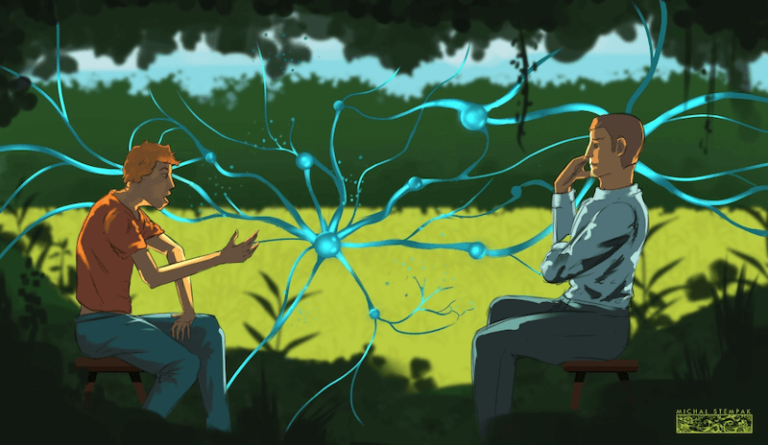
Experiencing an interview situation while being on the other side can significantly improve our skills. This is another exercise in using reflection. Understanding whether and how difficult it is for others to answer difficult questions. Revealing your experiences and emotions related to them is much easier when you have the opportunity to experience them yourself. Observing your emotions and reactions to difficult questions is part of building experience and empathizing with the emotional states of the people being interviewed. In the next stage of such experiences, you can come to the conclusion that the questions (and the style of asking them) that affect me by causing a blockage do not have to affect others in the same way. This aspect of development cannot be overestimated – observing and interpreting your own emotional states and reactions when you are on the other side of the mirror. Insight into yourself, I believe, is one of the critical moments in the development of interviewer competences.
Constant observation and assessment of factors that positively or negatively affect the course of the interview will be the basis for reflection and later analysis and drawing conclusions. How can this be done? Of course, it is more difficult to conduct this type of experience for people for whom the interview is a tool for work in investigative or judge interviews. However, there are workshop techniques that, in a somewhat controlled environment, allow you to participate in the role of the interviewed person. The arrangement of workshops with a real representation of the situational context will affect the quality of these experiences. One of the most important experiences in my case was participation in Frank Farelly’s therapeutic workshops, which were conducted in front of an audience of over twenty people. Several observations that I made during these workshops significantly influenced the improvement of my interviewing techniques and methods. Farelly, as the creator of provocative therapy, was excellent at using both his own and his client’s emotional states. Any reaction that seemed spontaneous on his part (exaggeration, humor, analogies, …) turned out to be well-planned and leading to a specific goal. Quick adjustment to the other person’s sensitivity type, juggling appropriate techniques for provoking emotions, evoking planned reactions, and at the same time a high level of empathy, are just some of the techniques that allowed for evoking appropriate reactions. I have repeatedly found that getting closer to the interviewee on the level of emotions, feelings, opinions, allows for achieving a higher level of effectiveness – obtaining reliable information and building a psychological profile based on it or making good decisions.
In a situation of adjustment and empathetic understanding of the other party’s situation, threats may also appear. Similarly to the case of a therapist (clinical interviews), the interviewer cannot afford to cross the boundary set by objectivity, and crossing which may result, for example, in a lack of control over emotions (the effect of attractiveness, the influence of sympathy or succumbing to ingratiation). As a consequence, this may have an impact on a biased assessment. Interview participants, whether when applying for a job or in criminal interrogations, use a wealth of manipulation techniques (but more on this in one of the next entries). In their book Mindhunters, J. Douglas and M. Olshaker describe the case of what they consider to be one of the most intelligent and charming criminals, Gary Trapnell. This man is described as an example of a long-term thinker, as illustrated by the slogans he shouted during negotiations to free hostages: “Free Angela Davis” (an African-American professor from California with far-left views). It turned out that knowing that he would not escape prison, for fear of being raped by black inmates, he wanted to win over his black brothers with these slogans. During the interview, he stated that if the interviewer provided him with the latest edition of the DSM (Diagnostic and Statistical Manual of Mental Disorders), he could fake symptoms within a day of preparation, in a way that would prevent a psychiatrist from recognizing the fraud. I wonder if he used this type of manipulation in practice? The interviews are intriguing.